

Comfortable, Natural-Looking Dentures in Hisar
Restore Your Smile and Enjoy Everyday Life with Confidence. Missing teeth can make eating, speaking and smiling more difficult. At Virender Dental Care, we provide customised denture solutions designed to replace missing teeth, support your facial appearance and improve everyday oral function.
Every denture treatment begins with a detailed examination of your mouth, gums, remaining teeth and jaw. Based on your individual needs, Dr. Mohit Jakhar – Endodontist & Implantologist (BDS, MDS) will explain the most suitable tooth-replacement options and develop a personalised treatment plan.
What Are Dentures?
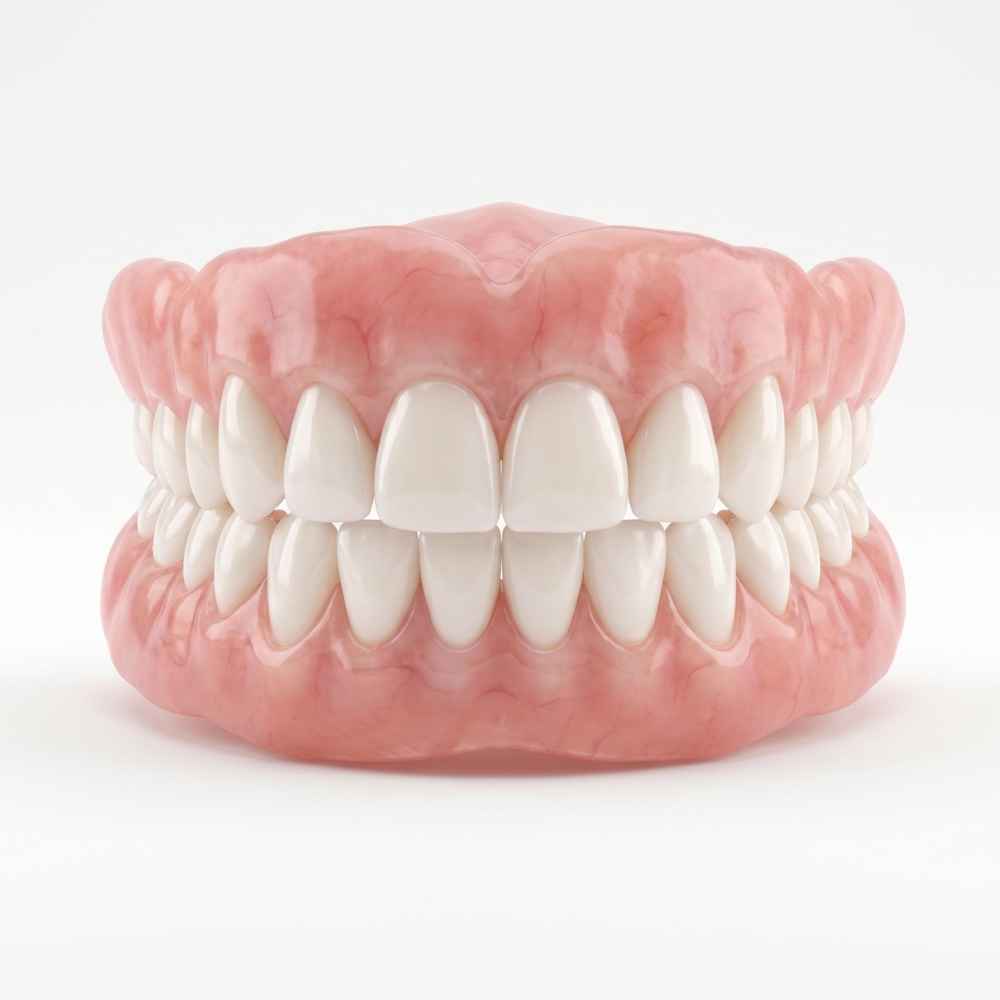
Dentures are removable dental appliances used to replace several missing teeth or an entire set of teeth. They are carefully designed to resemble natural teeth and gums while fitting comfortably inside your mouth.
Properly planned dentures can help you:
- Chew a wider variety of foods
- Speak more clearly
- Improve the appearance of your smile
- Support the cheeks and lips
- Feel more confident in social situations
- Protect the position of your remaining teeth
The appearance, fit and stability of dentures depend on several factors, including the condition of your gums, jawbone and remaining natural teeth.
Types of Dentures Available
Your denture recommendation will depend on how many teeth are missing, the health of your gums and teeth, and your personal preferences.
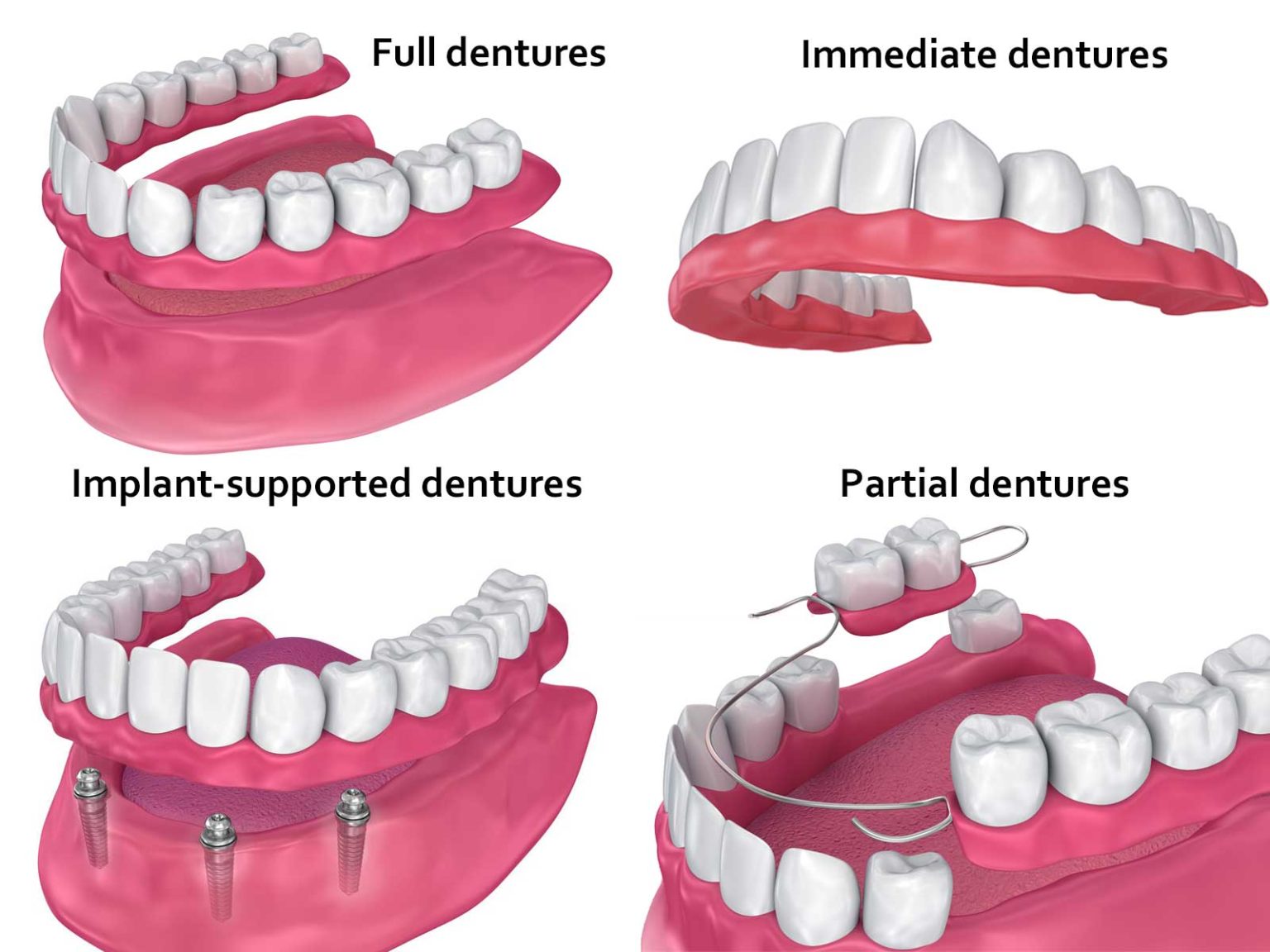
Complete Dentures
Complete or full dentures are used when all the natural teeth in the upper jaw, lower jaw or both jaws are missing.
They are individually designed according to the shape of your mouth, gums, facial profile and bite. Careful planning helps create a comfortable fit and a balanced, natural-looking smile.
Partial Dentures
Partial dentures are suitable when some natural teeth are still present. The replacement teeth are attached to a customised base and supported by the remaining teeth and gums.
Partial dentures can fill visible gaps, improve chewing and help prevent the remaining teeth from shifting into empty spaces.
Immediate Dentures
Immediate dentures may be prepared before the planned removal of damaged or non-restorable teeth. They can be placed soon after extraction, allowing the patient to avoid remaining without teeth during the initial healing period.
Because the gums and jawbone can change shape while healing, immediate dentures may require adjustments, relining or replacement after recovery.
Implant-Supported Dentures
Conventional dentures rest on the gums, while implant-supported dentures receive additional support from dental implants placed in the jawbone.
For suitable patients, implants may improve denture stability and reduce movement while eating or speaking. A clinical examination and appropriate investigations are required to determine whether implant-supported dentures are a suitable option.
Signs You May Need Dentures
A denture consultation may be recommended when you have:
- Several missing teeth
- Severely damaged or loose teeth
- Difficulty chewing food
- Gaps that affect your speech or appearance
- Teeth that cannot be restored predictably
- An old denture that feels loose or uncomfortable
- Dentures that click, slip or cause soreness
- Difficulty maintaining a balanced bite
Pain, looseness or persistent irritation should not be ignored. Your dentist can examine the denture and the tissues underneath it to identify the cause.
Our Denture Treatment Process
- Dental Examination: Your gums, remaining teeth, bite and jaw will be carefully evaluated. Any active dental problems may need to be managed before the final denture is made.
- Treatment Planning: We will discuss the available denture options, expected treatment stages and any additional procedures that may be required.
- Impressions or Measurements: Accurate impressions and measurements of your mouth are recorded to create a denture that matches your oral anatomy.
- Bite and Smile Planning: The position, size and appearance of the replacement teeth are selected to complement your face, smile and bite.
- Trial and Assessment: Where applicable, a trial denture setup may be checked for appearance, speech, bite and comfort before the final denture is completed.
- Final Denture Fitting: Your finished denture is fitted and evaluated. You will receive guidance on inserting, removing, wearing and cleaning it.
- Follow-Up Adjustments: New dentures can require minor adjustments as your mouth adapts. Attend your recommended follow-up visits, particularly when you notice sore areas, looseness or difficulty chewing.
Getting Used to New Dentures
New dentures may initially feel unfamiliar or slightly bulky. Some patients also notice temporary changes in speech, chewing or saliva production.
You can make the adjustment period easier by:
- Starting with soft, easy-to-chew foods
- Cutting food into smaller pieces
- Chewing slowly on both sides
- Practising speaking or reading aloud
- Following the recommended wearing schedule
- Attending follow-up appointments for adjustments
Do not attempt to reshape, bend or repair your dentures at home. An incorrect adjustment can damage the denture and injure your gums.
How to Care for Your Dentures
Daily cleaning helps control food debris, plaque, stains, unpleasant odour and gum irritation.
Recommended Denture-Care Routine
- Remove and rinse your dentures after meals when possible.
- Clean them daily using a soft denture brush and a suitable non-abrasive denture cleanser.
- Clean your dentures over a towel or a sink filled with water to reduce the risk of breakage if they are dropped.
- Avoid abrasive toothpaste, very stiff brushes and hot water, as these may scratch or distort the denture.
- Brush your gums, tongue and any remaining natural teeth every day.
- Remove your dentures at night unless your dentist specifically advises otherwise.
- Store the dentures as instructed to prevent them from drying out or losing their shape.
- Continue attending regular dental examinations even when you have no natural teeth.
Contact the clinic if your dentures become loose, damaged, painful or difficult to use.
When Should Dentures Be Repaired or Replaced?
Dentures may gradually become loose because the gums and jawbone naturally change over time. The denture teeth and base can also become worn or damaged with regular use.
Schedule an examination if:
- Your dentures move while speaking or eating
- You frequently need denture adhesive
- You develop recurring mouth sores
- Your bite no longer feels balanced
- The denture appears worn, cracked or stained
- Your facial appearance has changed
- Eating has become uncomfortable
- Your denture is several years old and no longer fits properly
Depending on its condition, the denture may need adjustment, relining, repair or replacement.
Why Choose Virender Dental Care for Dentures in Hisar?
- Personalised Treatment Planning: Every mouth is different. Your denture will be planned according to your oral condition, bite, facial profile and treatment requirements.
- Focus on Comfort and Function: Careful measurements and follow-up adjustments help improve the fit, comfort and usability of your denture.
- Natural-Looking Smile Design: The shape, size and arrangement of the replacement teeth are selected to create an appearance that complements your smile and face.
- Implant Consultation Available: Patients looking for improved denture stability can discuss whether an implant-supported solution may be clinically appropriate.
- Qualified Dental Care: Your treatment is led by: Dr. Mohit Jakhar Endodontist & Implantologist BDS, MDS
Frequently Asked Questions About Dentures
Dentures should not cause continuous pain. Mild pressure or temporary soreness can occur while adapting to a new denture. Persistent pain, ulcers or difficulty wearing the denture should be evaluated by your dentist.
Most patients gradually return to a varied diet after adapting to their dentures. Begin with softer foods and introduce firmer foods gradually. Very hard, sticky or difficult-to-chew foods may require extra care.
The lifespan of a denture varies according to its material, daily care, usage and changes in the mouth. Regular dental examinations are important because a denture may require adjustment, relining or replacement even when it is not visibly broken.
Dentures can be customised according to your smile, facial appearance and preferred tooth shade. The final appearance varies according to your oral condition and the type of denture selected.
Dentures are generally removed at night to allow the gums and oral tissues to rest, unless your dentist gives you different instructions for a specific clinical reason.
Some loose dentures can be adjusted or relined. Others may need replacement, particularly when the denture is worn or the shape of the gums and jaw has changed significantly.
Book a Denture Consultation in Hisar
Replace missing teeth with a denture solution planned for your comfort, appearance and everyday oral needs.
Visit Virender Dental Care for a comprehensive examination and personalised treatment recommendation.
Clinic: Virender Dental Care
Dentist: Dr. Mohit Jakhar – Endodontist & Implantologist (BDS, MDS)
Address: Opposite Fire Station, HTM Colony, Azad Nagar, Hisar, Haryana – 125001
Call today to schedule your consultation.
Treatment recommendations and results vary according to each patient’s oral condition. A clinical examination is required before confirming suitability, procedure details or expected outcomes.