Book your appointment online and secure your dental slot easily. Book Now
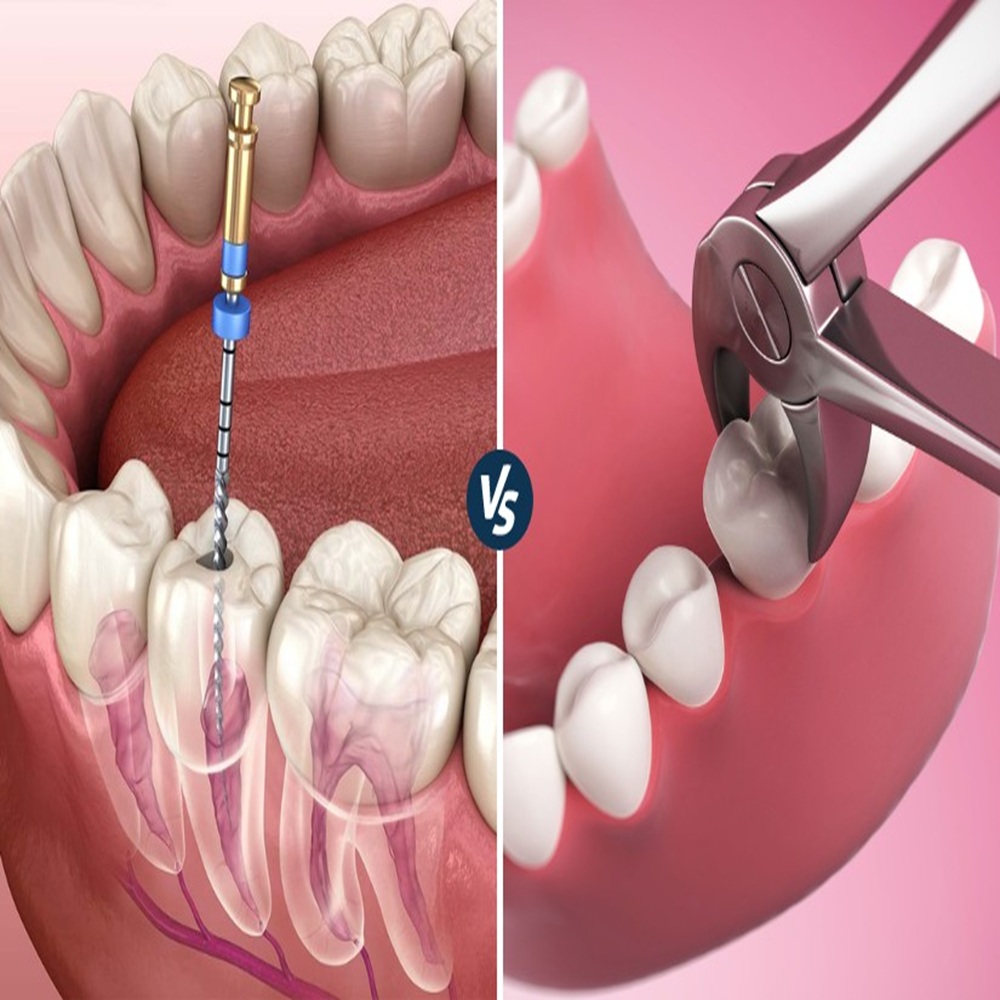
Severe tooth pain, deep decay, swelling, or infection can leave patients wondering whether they should undergo a root canal treatment or simply have the tooth removed. The RCT vs extraction decision is important because both treatments solve different dental problems and can have different long-term effects on your oral health. Whenever possible, dentists generally try to preserve a natural tooth if it can be restored successfully. However, extraction may be necessary when a tooth is damaged beyond repair.
Understanding the difference between root canal treatment and tooth extraction can help you discuss the most suitable option with your dentist.
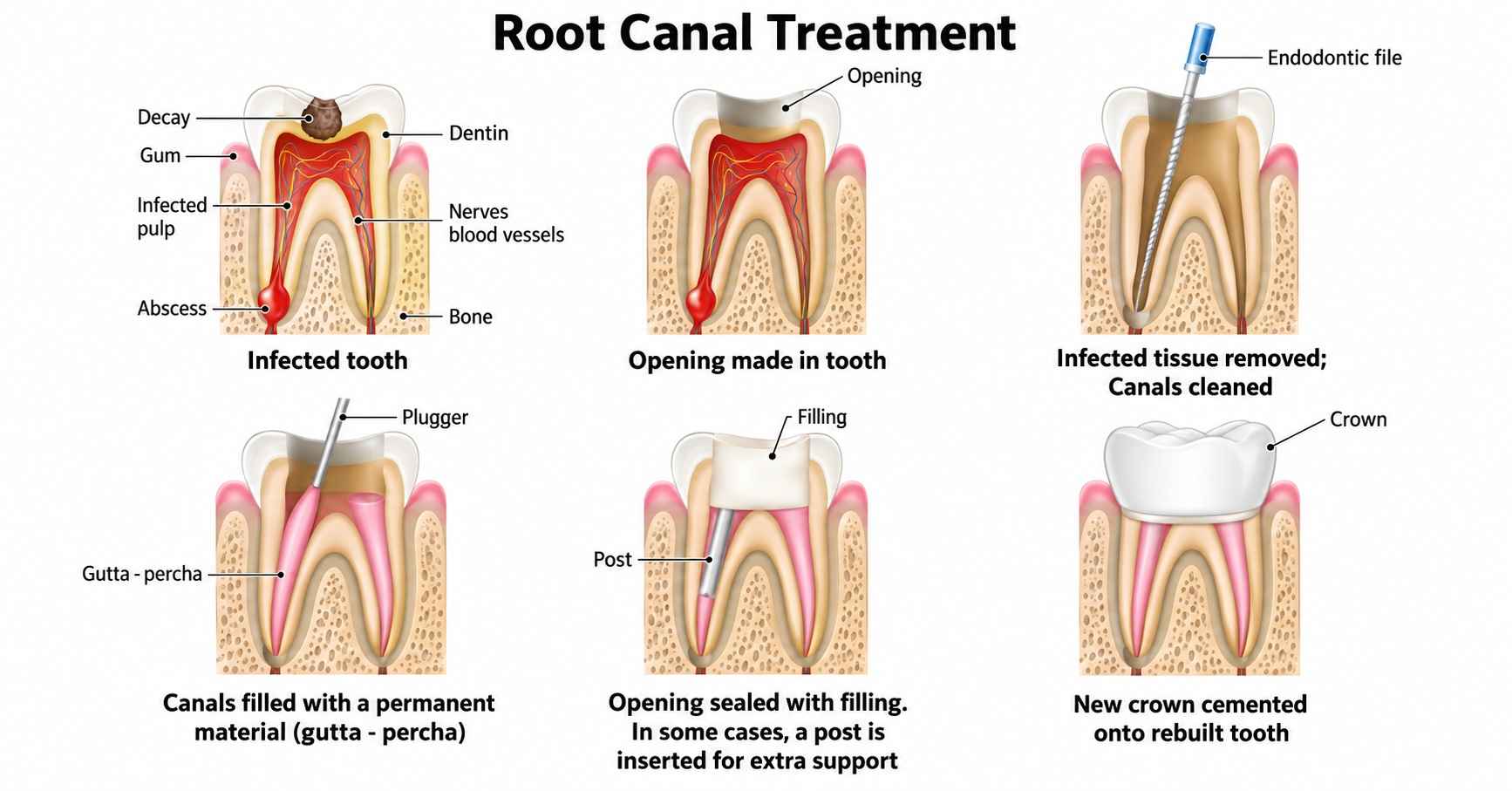
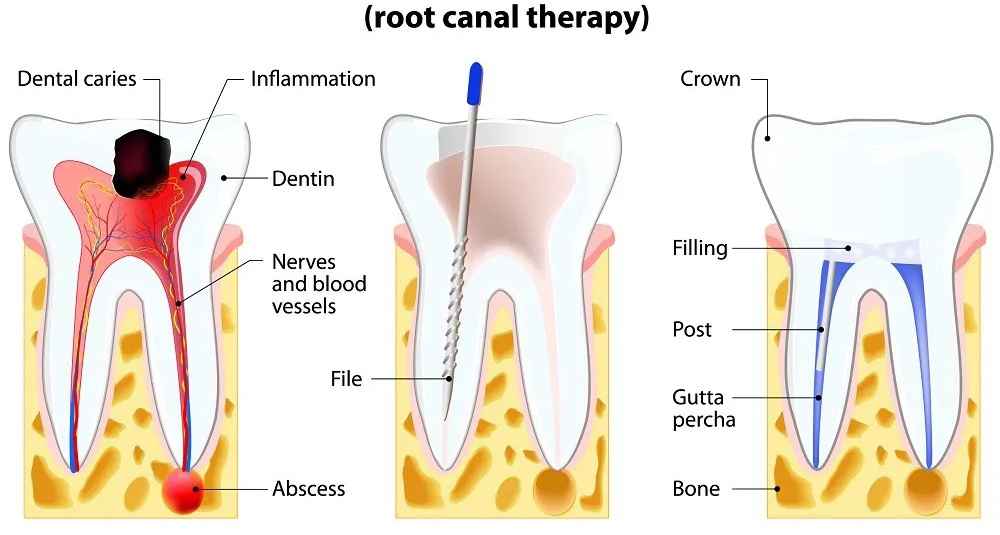
Root canal treatment, commonly known as RCT, is a dental procedure used to save a tooth when the pulp inside it becomes infected or inflamed. The pulp contains nerves and blood vessels and can become damaged because of:
During RCT, the dentist removes the infected or damaged pulp, cleans and disinfects the root canals, and seals them with a suitable filling material. The tooth is then restored, often with a dental crown when required, so that it can continue to function.
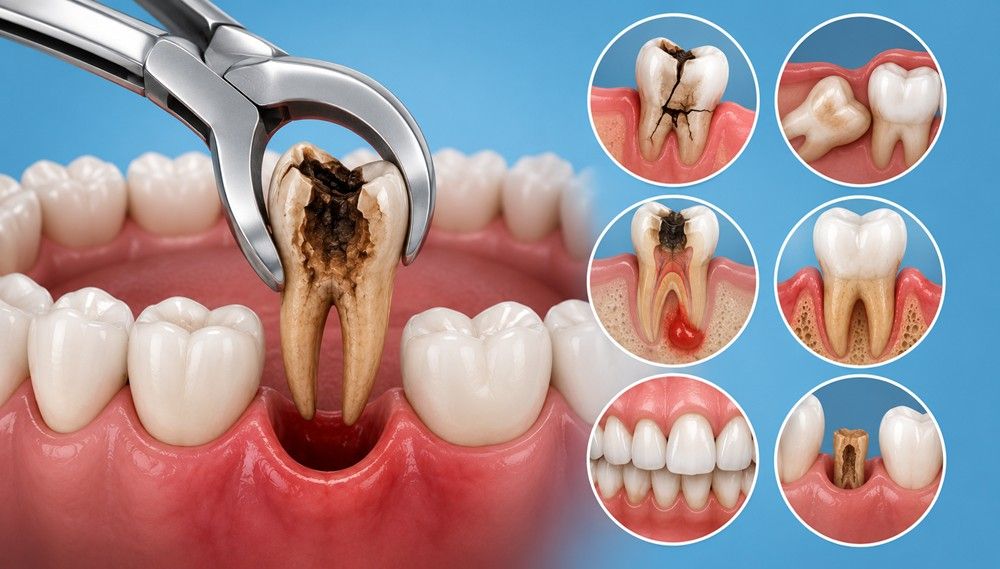
Tooth extraction means completely removing a tooth from its socket. Extraction may be recommended when the tooth cannot be predictably restored or when keeping it may negatively affect surrounding tissues.
Possible reasons for extraction include:
After extraction, your dentist may discuss replacement options such as a dental implant, bridge, or removable denture depending on your individual condition.
The biggest difference between RCT vs extraction is simple:
Root canal treatment aims to preserve your natural tooth, while extraction removes it completely. If the tooth has sufficient healthy structure remaining and can be restored, RCT may allow you to retain it for many years with proper care. Extraction may be the appropriate choice when the tooth is too severely damaged to save.
RCT may be considered when the infection has reached the pulp but the tooth still has enough healthy structure and support to be restored. Signs that may indicate the need for root canal treatment include:
However, symptoms alone cannot determine whether RCT is required. Your dentist may perform a clinical examination and take dental X-rays to assess the tooth.
Although saving a natural tooth is often desirable, not every tooth can or should be preserved.
Extraction may be recommended when:
The Tooth is Severely Broken: If a fracture extends deep below the gum or involves the root in a way that prevents predictable restoration, extraction may be necessary.
There is Extensive Tooth Decay: If very little healthy tooth structure remains, the tooth may not be strong enough to support a filling or crown after RCT.
Advanced Gum Disease is Present: A tooth with severe bone loss and significant mobility may have a poor long-term prognosis even if root canal treatment is performed.
The Tooth Cannot Be Restored Predictably: The dentist considers not only whether infection can be treated but also whether the tooth can function successfully afterward.
Both root canal treatment and tooth extraction are generally performed under local anaesthesia to reduce discomfort during the procedure.
After treatment, some tenderness or soreness may occur for a short period. The amount of discomfort depends on factors such as the severity of infection, complexity of treatment, and individual healing response. Patients should contact their dentist if they experience severe or increasing pain, persistent swelling, fever, or other concerning symptoms after treatment.
When comparing RCT vs extraction, it is important to think beyond the immediate procedure. If a tooth can be predictably restored, saving it with root canal treatment helps maintain your natural tooth in the mouth. After an extraction, the missing tooth may need replacement, especially when it affects chewing, appearance, or the stability of nearby teeth.
Depending on the situation, tooth replacement may involve:
Therefore, the overall treatment plan should consider not only the cost or duration of extraction but also whether the missing tooth will need to be replaced.
Not every root canal-treated tooth automatically requires the same type of restoration. However, many back teeth such as premolars and molars may benefit from a dental crown because they experience significant chewing forces and may already have lost considerable tooth structure. Your dentist will evaluate how much healthy tooth remains and recommend the appropriate restoration.
If the pulp inside a tooth has become irreversibly damaged or infected, the problem usually cannot be resolved simply with painkillers or antibiotics. Medication may temporarily reduce certain symptoms in some situations, but it does not remove infected tissue from inside the root canal. Ignoring the problem may allow the infection to progress and can lead to increasing pain, swelling, or an abscess. Early dental evaluation gives your dentist more options for preserving the tooth.
There is no single treatment that is best for every patient.
Your dentist may evaluate several factors before deciding between root canal or tooth extraction, including:
The goal should be to choose the treatment that provides a predictable and functional result for the individual patient.
If you are experiencing persistent tooth pain, swelling, sensitivity, or pain while chewing, delaying a dental examination may allow the condition to worsen. At Virender Dental Care, Hisar, patients can receive an evaluation to determine whether an affected tooth can be preserved with root canal treatment or whether extraction may be necessary. The appropriate treatment is recommended after examining the tooth and assessing its restorability, infection, and supporting tissues.
When comparing RCT vs extraction, neither treatment should be chosen simply because it appears faster or cheaper. If the tooth is restorable, root canal treatment may help preserve your natural tooth and maintain normal function. If the tooth is severely damaged, fractured, or has a poor prognosis, extraction may be the more appropriate option. The best way to make the right decision is to have the tooth examined by a qualified dentist before the damage progresses further.